Beezid

Tuesday, May 5, 2009

What is a CD Rom? What is a CD Rom used For?

2 Comments so far Posted by Hannah on 9:11 AM

What is a CD Rom? CD is short for compact disc!
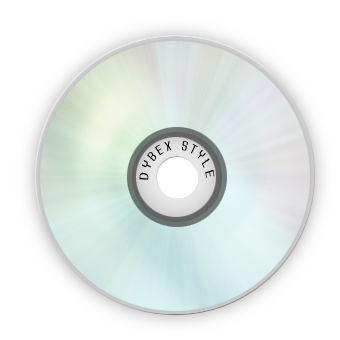
What is a CD Rom?  What is a CD Rom Used for?

Unlike the Floppy disk or the hard drive that are magnetic storage CD Roms are optic storage. They are read by a very fine laser beam. My children love to think of Star Wars when I say that! Floppy disk's lifespan can be very short, and to be honest can be very fragile! Keep in mind some floppy disks are better than others, but overall its scarey to depend on them. Magnetics can wear out quickly where as the CD rom? Its can take a licking and keep on ticking as the commerical says! Please don't take that to mean you need to abuse them. You don't want to do that either! CD Roms can wear out as well, but most of the time if you take care of them its measured in spans of 10 years or more!

Besides the durable nature of the CD rom lets look at storage space compared to Floppy disk. You can place an entire encylopedia on a CD rom. If you were to place that on Floppy disks? It would be more than 400 disks to have the same information. CD roms are cheap, durable, and hold LOADS of information!

I have a friend of mine that is intimidated by loading a CD rom into her computer. I remember asking her if she ever loaded a compact disk into her CD player, or a DVD into her DVD player? She gave me the 'your kidding me right' look as she rolled her eyes stare. (YEP I was being sarcastic at the time) I told her then you have ALL the technical expertise required to load discs into your computer CD or DVD Drive!

Be sure to handle the disc only by its edges so that you don't scratch the surface or get any dirt or finger prints on it.

If your drive has a open slot on the front of your computer for the CD rom slide the shiny side down (label on top) into the slot.

If your drive as a drive tray: Press the load/eject button on the front of the drive to open it. Then lay the disc down in the tray (shiny down, label up), and press the load/eject button again.

CD Rom This would be an example of the label. You see the title or the name of the CD rom.

CD Rom label side UP placed in the CD ROm drive!

Photobucket

If you ever have an issue with playing a CD or DVD it may be a little dirty. To clean the CD Rom get a small lint-free cloth. Wipe the CD Rom from the center of the disc to the outside of the disk. Don't clean in a circular motion of the CD Rom. Make sure you wipe the shiny side, and not the side with the label (it has the writing on it). The computer reads the shinny side. If you get something sticky on it? Dampen your cloth with a little distilled water, and wipe as I mentioned above. Wait until your CD rom is completely DRY before inserting it to try to use it again.

What is the CD rom? What is a CD rom used for? The CD rom is used for storage basically, and most programs now days are CD roms. There are different types of CD roms as well, and we will go over that in another lesson.

Don't forget to enter your email below in the box so you don't miss out on future lessons! It will be emailed to you as they are written! Don't forget to suggest lessons or leave a question or comment if you wish!

Monday, May 4, 2009

Where is CD Drive?

Be the first to comment! Posted by Hannah on 10:24 AM

In previous lessons I was trying to explain the different types of disk drives. The last type of disk drive is called the CD Drive that you place CD Roms in. Let me show you a picture of the drive with a CD Rom in it.
CD Rom Drive or D Drive

For my computer the E drive is my CD rom drive. How did I figure that out?

My Computer Icon
You can either go to 'my computer' on your desktop, OR

Vista has renamed "My computer" to just 'Computer'.

Most of the time Windows Vista and XP don't have their version of 'my computer' on the desktop. If you have it on your desktop it could look similar to this:

Vista My Computer Icon

If you see 'my computer' or 'computer' like pictured above on your desktop double click it at this point.


If you don't have one of those icons above (or similar) Hit your start button, and then go to computer (newer systems like Vista) or 'my computer' for other versions of windows. You should see a bunch of disk drives with letters. We are only concerned with those at this point. We will go over the other items you see later (if you have any).

'my computer' screen shot for XP

Keep in mind your 'my computer' or 'computer' screen may be a little different then pictured, but the principle is the same.

You may see pictures of drives and letters. C Drive is normally your Hard Disk Drive. In some of the newer systems you will actually SEE a picture of a CD rom like above, and at times your drives will be named for you (windows, floppy, CDrom, DVD, etc). My CD rom drive says, "DVD RW DRIVE". At times some computers DON'T make it that easy for you to identify things! That will be in a future lesson about device manager.

We will look at the device manager in a future lesson, and you will see how your computer identifies your CD Rom among other things! Where is the CD Drive? For now check under your 'my computer' or 'computer' section on your computer.

Don't forget to subscribe to have future lessons sent to you automatically to your email box below!


Friday, May 1, 2009

What is an Operating System?

1 Comment so far Posted by Hannah on 4:04 PM

What is an Operating System? The operating system of your computer is the is the MOST important program, and basically the backbone of your computer. We deal with Windows PC's on this blog, and your operating system can be called:

Windows Vista
Windows XP
Windows 2000
Windows ME
Windows 98
Windows 95

Those are some of the names that seem to be the most popular for operating systems software for your computer.

If you are reading about operating systems you may see people call them OS or O/S. Those are short abreviations for the word 'operating system'.

The purpose of an operating system is to organize and control hardware and software so that the device it lives in behaves in a flexible but predictable way.

Believe it or not operating systems have started to pop up in smaller computers as well. If you tinker with electronic devices, you're probably thrilled to know that operating systems can now be found on many of the devices we use every day, from cell phones to video games. The computers used in these devices have gotten so powerful that they can now actually run an operating system and applications. The computer in a typical cell phone is now more powerful than a desktop computer from 20 years ago. Hard to believe isn't it?

What is an operating system? You see it as Windows Vista, or one of the others titles I mentioned above. What does an operating system do? It provides basic instructions your computer needs to function.

Saturday, April 18, 2009

What is a Disk Drive? Where is the C Drive?

Be the first to comment! Posted by Hannah on 5:59 PM

What is a Disk Drive? Yesterday when I was writing about the floppy drive or A drive I mentioned they are basically storage units!

As I mentioned most of the time computers will have 3 main drives. The A Drive as went over yesterday is the Floppy Disk Drive. A C Drive that we will talk about today, and later we will go into CD-Rom drives. SURE Computers CAN have more than 3 drives, and I want to try to hit the basics first!

Today we want to talk about the C Drive or Hard Disk Drive. The Hard drive is INSIDE your computer so you don't have to use a disk or CD rom. Below is a picture of what it looks like.

hard disk drive

Earlier we had gone over what 'my computer' was, and if you look at the pictures you will see the drives and their letters. Its basically the names of the drives that the computer uses.

'my computer' icon screen

As you can see the A drive is the floppy disk drive. (B Drives can be floppy disks also!) C Drive, D Drive, E Drive in the picture look like Hard Drives. Normally C drive is your primary. There are times in which computer hard drives are paritioned (or divided basically), and that is why you may see more than one hard drive letter. The actual hard drive (C) is called the physical drive, and the paritioned (or divided pieces) is called a logical drive.

Example of a partition

In some of the newer computers the vendors don't supply all the original software with your computer anymore, but they can partition (or divide) the drive to store all the original software including windows on a small parition. If you have a newer computer, and you have a restore option to return to how your computer was when you took it out of the box? Chances are the window restore is using that paritioned drive to do that for you.

That is NOT to say that you can't have MORE than one hard drive on your computer! You can do that as well. Years ago I have a computer that needed more hard drive space, and it was just easier to add a second hard drive instead of upgrading it. I basically left all the original software that the computer used on one drive, and then my files (like letters, spreadsheets, etc) on the second drive. Personally, I thought it was a pain...lol and I don't miss it AT ALL!

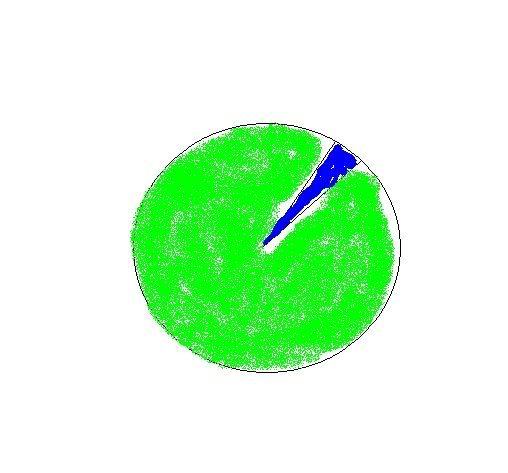
Most of the time I would say if it is a newer computer chances are your computer has partitions instead of additional hard drives. If a visual will help you understand here is a picture of a pie chart.

paritioned hard drive

The Green portion could be for your use - the C Drive. The small blue part? That would be the partitioned portion - or logical drive. Per the example I gave before it could be where your computer vendor stored your original software that came with your computer!

I hope I was clear on what a disk drive is, and made sense of what your C drive is as well. Remember you can ask any questions in my comment section, and don't forget to enter your email address to have the lessons sent to you as I write them!


What is a Floppy disk drive? A Drive?

Be the first to comment! Posted by Hannah on 12:38 PM

What is a Floppy disk drive? What is A Drive?

Disk drives are part of your computer that actually stores your information - at times externally (outside the computer). At times you will get these disks that contain programs that you can load into your computer to use. Other times if you have a file (maybe a letter, spreadsheet, etc) that you would like to share with someone else you can copy this information onto a disk for the party to load onto their computer. I guess the short and the sweet version of disk drives? They are storage units!

Today we are going to show you what a Floppy Disk Drive, or 'A DRIVE' is!

Most computers have at least 3 disk drives, but some can have more or less. Your computer names those drives to identify them. Most of the time you will see see A, C and D drives. Normally if you see a B drive its additional floppy drive.

Floppy Drives look similar to this:

disk drive
The slit may be horizontal or vertical depending on how your computer is setup.
The above happens to be a 3.5" drive. The disk itself is 3.5" .

3.5 floppy disk

Keep in mind some computers have MORE than one of these drives, but Drive A is normally your floppy drive. Drive B can be the second one. Some of the newer computers no longer have floppy drive at all, so don't panic if you don't see it. Most programs are now distributed on CD's or CD roms.

floppy drive on computer

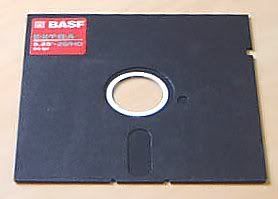
There are some older computers that also have the larger version of the floppy disk drive that is 5.25". You don't see these much anymore, but I used to use these to store my files on in college! Showing my age here?!

5.25 Floppy disk drive

I hope this lesson helped you identify what a floppy disk drive or 'a drive' is. If you have ANY questions please feel free to leave a comment on this blog. You can also enter your email below, and get sent new lessons as I get done writing them!

Friday, April 17, 2009

Where is 'My Computer' located?

1 Comment so far Posted by Hannah on 12:20 PM

 
Where is 'My Computer' Located, and what is 'My Computer'?
 
Today’s How-To Guide For the Computer Beginner is locating the My Computer Icon, and what the ‘My Computer’ is!
 
NOTE:  Some newer versions of windows does not have the 'my computer' icons on their desktop, and we will go over how to place it there. 
 
Lastly, also note in newer versions of window (Ie Vista, 7) they call it just ‘computer’ not ‘my computer’

We will start with the older versions of windows, and then move to the newer versions.

Starting with some versions of Microsoft Windows 95 and included with all versions of Windows after that included 'My Computer'. My Computer allows the user to explore the contents of their computer drives (IE: C drive, A Drive, Etc) as well as manage their computer files.

Below are some common icon's you will see for your 'my computer' which should be on your desktop!  Once we locate this on our desktop we can see the contents of our computer drives by double clicking on them.

My Computer Icon 


Vista My Computer Icon

As I mentioned before 'My computer' for Vista, Seven (7) is just named 'computer' NOT My Computer, and your icon on the desktop should look similar to the picture I supplied.


The only thing missing is the word ‘my’ with the new operating systems.  (Giggles) YES it does the same thing as described above.

On your desktop you should see 'my computer' icon (or ‘computer’ with new operating systems).
 
Double-click the My Computer icon, this icon is almost always located on the top left portion of the desktop and should look similar to the icons above as I mentioned.

Here are some screenshots from different versions of windows 'my computer' once you double click the icon.

'my computer' icon screen'my computer' screen shot 


My Computer Screen Shot
'my computer' screen shot for XP


At times in Windows XP and Windows Vista and Windows 7 you will not see the My Computer Icon on your Desktop.
 
If you want to place it there you can!

'My Computer' Icon for Windows XP

Right Click Desktop To Properties
 
Let’s place our ‘my computer’ icon on the desktop!


Right-click on the Desktop (an empty spot) and click Properties.


Display Properties Window 

In the Display Properties window click the Desktop tab you will see towards the top of the picture (themes, desktop, screensaver, etc).
 
Click the Customize Desktop button, which you will find towards the bottom of this picture. Its almost right on top of the OK Button.  The next picture is similar to what you should see next.


Desktop Item
 
 
Within the General tab (see top again), check or uncheck the desktop icons you wish to display on the Desktop.
 
If you at our picture (towards top) you will see items like: My Documents, My Computer, My Network places, Internet Explorer are all selected. This means all of them will now appear on your desktop.
 
If you do not want one or more of them on your desktop? Remove the check mark by clicking on the box.
 
Make your own selections on your computer.  Make the choices you have to be placed on the desktop, or remove the ones you don’t wish there.  Click OK when finished.


You can click OKAY to the rest of your screens that had come up at this point to get out of this application, and view your desktop.  THEY should BE THERE!


'My Computer' Icon for Windows Vista
Keep in mind in Vista its called, “Computer” not “MY computer”

To put the Computer icon on the desktop,


my computer icon in vistaClick the Start button(1) , and

then right-click on "Computer"(2).


Click the "Show on Desktop" (3) item in the menu, and your Computer icon will show up on the desktop automatically.   Check your desktop NOW for your ‘computer’ icon.  Remember in newer operating systems they no longer call this ‘my computer’, but ‘computer’.
 

OR another way to find My Computer to place on the Desktop:

 
finding my computer icon in vista


Right-click on the desktop and choose Personalize (blue Finger),


then click on "Change Desktop Icons" on the left-hand side of the screen(Right Finger).


In the Desktop Icon setting  panel you can choose which of the built-in icons to show on the desktop. In our case we are after 'computer', because Vista doesn’t call it MY computer.


In the picture I have supplied, the red finger is pointing at “COMPUTER”, but right next to it is the recycle bin.  I have chosen to place the computer and recycle bin on the desktop by making sure the check marks are present.  If I didn’t wish for one or the other to be  on the desktop?  I would make sure no check mark is present like pictured for ‘user files, control panel, or network’ that are pictured here.


Once you have completed your choices you will then click ‘ok’ to let the computer know you are finished.

 
You know now how to find where the 'my computer' icon is located!
 
I hope you enjoyed today’s How-To Guide For the Computer Beginner lesson on where is the My Computer Icon.


If you have ANY questions please feel free to leave a comment on this blog were I have indicated.


You can also enter your email below, and get sent new lessons as I get done writing them!


Thursday, April 16, 2009

What is a scrollbar?

Be the first to comment! Posted by Hannah on 11:09 AM

What is a scroll bar? Look to the left side of your screen, and you will see the scrollbar as well as the scroll arrow and scroll box. Below is an image of a scrollbar and I identified the parts for you.

Scrollbar, scroll arrow, scroll box

The scrollbar on the right enables you to scroll up the screen and scroll down the screen. At times you will also see a scrollbar along the bottom of your screen as well. This allows you to scroll your screen to the left and scroll your screen to the right. It basically brings you to areas of your screen that are hidden from view.

The scroll bar has a scroll box inside of that. If you wish to go to the top or the bottom of the screen that is NOT in view you would place your mouse pointer over that scroll box, and then hold it down and your glide your mouse up and down.

The scroll arrow is nice when you have a VERY long page, and you want to go directly to the top or the bottom of the page you are using quickly. Click on the scroll arrow direction you wish, and you will scroll directly to the top or bottom of the screen.

Take a look at a humorous example of a scrollbar in action!

scrollbar, scroll arrow, scroll box

I love IT! Hope you enjoyed our lesson on what is a scrollbar. Try it on your screen now using your scroll box, and the scroll arrow to try it yourself!


Thursday, April 2, 2009

What Version of Internet Explorer do I have?

Be the first to comment! Posted by Hannah on 6:31 PM

From time to time people need to know what version of internet explorer they are using, but don't know where to look.

At the top of your internet explorer browser window (you are reading this site in a browser window) you may see a question mark (blue arrow) or you need go to the left edge of the browser screen to find the button that looks similar to two arrows '>>' (red arrow). You are looking for your help button in your internet explorer browser. HIT the help button!
Photobucket

You then normally have some options under the help section, and you are looking for 'About Internet Explorer'. Click your 'about internet explorer' button, and a window similiar to the one below should open.

Internet Explorer Browser Version

What Internet Explorer Version do you have? Hmmmm. Looks like we have version 6.0 pictured above!

Where is the control panel on computer?

Be the first to comment! Posted by Hannah on 5:20 PM

Where is the control panel located on computer?


Today’s How-To Computer Beginner lesson will be How do I find my control panel on my computer.


What is the control panel on the computer? 


The control panel is a place on your computer where you can change or set your computer settings.  It could things like how fast my mouse clicks, what printer to use, how my desktop will look, adjusting your sound for your system.  In some ways you can look at it as a ‘control center’ of your computer.


I will show you where the control panel is located in older versions like Windows 95, Windows 98, Windows 2000, and then windows XP and Control panel in Windows Vista or Seven (7).

For the older versions of windows you need to:

1. Start button

2. Programs
3. Accessories
4. System tools = under system tools you will see control panel

where is the control panel?


On some older systems you can find your control panel


1) start button

2)  Settings

3)  Control Panel


Your control panel should look similar to the one pictured. 


How-To locate your control panel in Windows XP:


Click Start menu button.
Select Control Panel


If you cannot find the Control Panel in your Start menu, select Settings and Control Panel.

Here is two views of what the control panel in XP look like.  Keep in mind each computer may differ slightly.


How-To locate your Control Panel in Vista:

To to your Start Button

Look your Left to click control panel (yellow finger pointing at it)

Vista Control Panel

After you find control panel in Vista you have a choice of two views:

Control Panel Home

Vista Control Panel

Or use that arrow pictured to get to the classic view of the control panel for vista

Vista Control Panel Classic View

Windows 7 (seven) control panel is found the same way Vista was found


Where is the control panel? We found it didn't we!  The control panel is something that a computer beginner will be using from time to time.  You will notice in our other computer basic courses we will refer it often.


I hope our How-To find the control panel on your computer lesson today was helpful.  Keep in mind you can enter your email address, and you can receive future lessons directly in your email box. 


Questions or comments are always welcome!


Monday, March 30, 2009

Java Won't Work? We have answers!

1 Comment so far Posted by Hannah on 9:33 AM

java not working This little guy is called Duke the Java Mascot! What is Java? Chances are your computer may already have Java. If you have seen any multimedia type of things on your computer chances are good Java is what helping you see it!

(Later Note:  I have noticed with newer computer Java is NOT included.  You want to install it.)

Today’s How-To Guide for the Computer Beginner is about problems with java

I get emails:

java issues
java problems
java not working
java issue
problems with java
java troubleshooting
java security issues

I think you get the picture!

Let's go over what java is, where to find it, and then fix our issues with java in that order!

Program Section JavaIf you look in your programs section on your computer, and you don’t have Java?  It’s a free download, and you will USE it!

Part of Java's definition is: Java allows you to play online games, chat with people around the world, calculate your mortgage interest, and view images in 3D, just to name a few...

How do you know if you have Java? On the homepage of Java you can actually see the wording, "Do I have Java?".

Do you have Java?
Yes, what is neat about the Java Site is they will tell you if you have Java or NOT!  Just click the words, “Do I have Java” on the Java Homepage for the answer.

See my picture below, and keep in mind the Java home page may have changed..but that prompt will be there (look below free download button)!

In case you get a security question from your computer firewall asking if this is a safe and reputable site? I would place it in your trusted zone so you don't have issues in the future.  Yes, Java is a very trusted site.

Java Homepage Free Download

With many other programs you get on the internet you are at times asked to update your version. They are basically telling you that they have come up with a new and improved version. 

In most cases you want to take advantage of this update, but if you have any doubts?  You can also search the internet about the update to see if people are having problems with it.  I would say most of the time?  You are fine.

The reason I started this lesson is because some of my friends had more than one version of Java on their computer, and going to some of the sites that they used Java for were giving them problems all of a sudden.   This is the quickest troubleshooting resolution I could come up with!

They normally had errors along the lines of:
java virtual machine not working
java script issues
or basically the screen to the chat room went blank.

HelpBytes has other error messages listed with solutions.  The Java Site also has a help section.

If they looked at their list of programs (add and delete program section) they had Java 6 and Java 7, etc. Those were added when they are asked to update the Java. You could have 3 or more versions of this program, and I have found it causes nothing but problems down the line!

Computers and programs also just can be strange.  The update can be seen to the machine as ‘wrong’, and you have all kinds of problems from there.  Don’t ask me why – machines just don’t have common sense.

For example, one night you go into a chat room and everything is fine.  You update something, and the next time you go to say HELLO to friends?  The computer just refuses to cooperate.  Java isn’t just for chat rooms, but I was more using that as an example.

Have you been asked to update your Java?

Most of the time you get will an update reminder on newer operating systems. The older operation systems (Windows 95, etc.) don't always do that from what I remember.

Java Update

On your task bar  (like picture above) you at times will notice a java icon similar to ones I have pictured below. The taskbar is the area in which you will notice the reminder message to update Java.

Java IconJava Program Reminder Icon

YEP you got it – the logo is similar to a cup of coffee!

From time to time you will be reminded that you have a Java Update, and those are FINE to download! The problem I have seen is Java doesn't work as it should when you have to many different versions on your computer, or too many updates to Java.

If I know I will be updating lets say Java version Number 6 to Java Version number 7 for example....the NEW and IMPROVED version? I go to my add and delete program  section, and completely delete Java 6 before I install Java 7.

If you have don't remember doing this before you might be surprised at the number of versions you have. Its okay! Just delete ALL of versions of Java! When we install the new version of Java you won't be missing a thing! The site will replace the newest version with EVERYTHING you will need to be up to date and flying high once again!

Java is a program you will use quite a bit, but if you having issues after an update?

Delete all versions, and download a fresh copy! Chances are good your issues will disappear!

I will tell you at times certain sites will NOT keep up with the current version of Java, and the updates do you no good.  I will mention that is not the majority of the time.  Its actually very rare from what I have experienced.

Most people realize they are having problems with Java after a new update of the program, and they are no longer able to do something they had in the past.  It could be watching movies, entering a chat room, etc.  Just remove your old version of Java, and install the new version.  Chances are you are SET to go!   You don't know how to install or uninstall java or another program?  Here is a Uninstall Programs tutorial for you.

I hope our How-To Lesson for problems with Java helped you today.  If something is not clear, or you still have questions?  Please feel free to leave a comment.

Don’t forget to add your email in our subscribe box we have here.  You will have our future lessons sent directly to your email.


Friday, March 27, 2009

How-To Uninstall Programs

Be the first to comment! Posted by Hannah on 11:04 PM

From time to time you need to uninstall a program on your computer.  I know in the past my father seemed to think if he deleted the desktop icon the program would be GONE!


Unfortunately, there is a bit more to learning how-to uninstall a program on your computer.


I will also recommend a free program at the end if you are having problems ‘uninstalling a program’ the traditional ways!


Why would you uninstall programs


  • You installed a program, and your computer is freezing, or just not acting the same.  A times programs don’t work well with your operating system, and it doesn’t matter if the box says it SHOULD!


  • In a past lesson I discussed programs like Java.  Java is a free program that is very useful on computers, and at times like most programs they come out with ‘updates’.  So you agree to have your computer update to the newest version of java, and you find sites that you use java on now don’t work. 


  • Other times you get update program messages, and you agree to the update.  The next thing you know they program updating states you must ‘uninstall all previous versions’ before you can use the new one.


  • I have run into issues with a program that I regularly use, and all of a sudden for NO rational reason at all it completely flops.  It just doesn’t work anymore.

  • Other times you notice you never did use that program that you felt you would like, and why not just get it off the computer completely.


Yes there are different reasons to uninstall programs.  Learning How-to Uninstall a program is a very useful skill for the computer beginner. 


If you are planning on reinstalling the program make sure you have the location online for the download, or your program near by.


Below I will show you how to uninstall programs first on the older operating systems, and then we will move on to the newer ones.


With older operating systems you need to hit your start button, settings, and go to your control panel.

Start Button, Settings, Control Panel

Start Button, Settings, Control Panel


Look for your Add or Remove Programs icon.

 
Control Panel Add Remove ProgramsLook in Control Panel for Add Remove Programs Icon


Make sure you look to the TOP of the add/remove program properties, and see the section that is named 'Install/Uninstall'.  See picture below that shows the three tabs.  Click on the install/uninstall tab - the first one!


add/remove programs properties
Find the Install/Uninstall Tab Far Left


You will have a list of programs, and you need to find the one you are looking for.   You can scroll down the list on your right until you find the title of the program you wish to uninstall.  The program titles are in the white box below.


Uninstall Program you are looking for

Click on the program you wish to uninstall, and click the 'add/remove' button (see picture above – it is greyed out)  you see at the bottom of the listing.  Then push the okay button.

Click YES to uninstall program

Chances are you will get a message similar to the one I have pictured.  Its basically a 'are you SURE you want to remove this program?' type of message.  Click YES!


Then the program will uninstall, and you will see something similar to the picture below.


Keep in mind sometimes when you are DONE your computer will ask you to restart the system.  Its is completely normal!


The newer systems like XP, Vista, Seven have a different procedure for add or remove programs

What is nice about the newer programs is that normally have a ‘how-to uninstall’ option that you can use.


You would click your start button, then hit all programs. 

This will bring all your programs that are installled in order for you to find the program that you wish to UNinstall!


If you look at my picture above I choose CCleaner.  I clicked the folder first, and the list below it appeared.


You would click the Uninstall CCleaner, and just follow the easy directions.


What if you don’t have an uninstall option like I pictured above?  We can use the traditional how-to uninstall a program through the control panel.


In newer operating systems such as XP or Vista push start button and then control panel.


See Green Start Button – then hit control Panel


XP systems do have the 'add and remove' programs icon.


Vista in the 'classic' mode calls it 'Programs and Features'.  The classic mode has their icons in alphabetic order so it makes it easier.


If you aren't using the classic check out the arrow below under the programs section, uninstall a program.

Control Panel Uninstall a program


Uninstall a Program – See Arrow


Once your in the programs area - either way you get there classic or otherwise:


Wait for all the programs to refresh in the programs and features section.

Click the program that you want to remove


Look to the top of the white section and you will see some options:  Install, Remove, Repair


Click Remove to uninstall program


Programs and Features


Look for Install, Repair, Remove from top of control panel after you found program from list

If you are prompted to confirm the removal of the program, click Yes


Keep in mind at times you get the option of 'repairing' the program. 


If you having problems with the program? I would use reinstall it anyway.  If the repair doesn't work?  You are going to have to uninstall it anyway.  To me?  It just saves a step.


There will be times in which you will have a program that is HARD to remove, or just refuses to remove itself from your computer.


I know many people for example have issue with Symantec Norton products.  There is a software product that I have heard good things about, and its called


Revo Uninstaller


They have a free version, and a paid version.  I have used this product to actually REMOVE a Symantec Norton product from a friend’s computer.  It worked WELL!  Make sure you pay attention when you download it.  Its not a virus or anything, but sometimes vendors tend to wish to add extras like toolbars, etc along with the software.  You will see the option to say NO thank YOU!


I hope I helped you learn how-to uninstall a program.  Being a computer beginning some of these items I know can be intimidating.  Once you learn to THINK like a machine?  (giggles) it does get easier!


Have any questions or comments please see the comment section below!

Holiday Gift Guide: Save up to 50% on Christmas Gift Ideas at BarnesandNoble.com. Spend $25 to get FREE Shipping!